

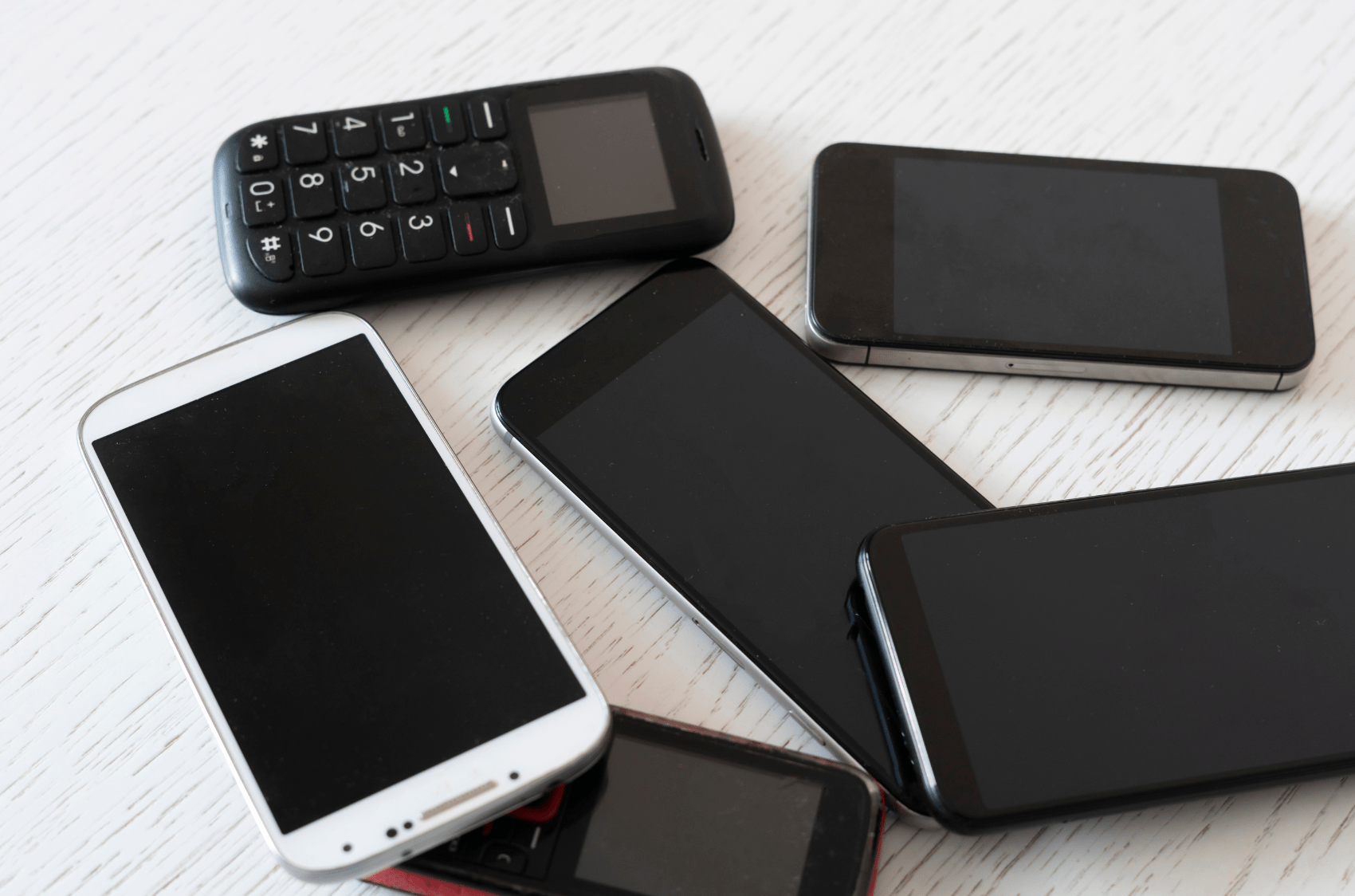
The Best Kids Phones in 2025: Why Dumbphones Are Becoming the New First Phone for Children
Choosing your child’s first phone is no longer just about price or convenience. For many families, it’s about safety, independence, and digital wellbeing. With concerns about social media, screen addiction, and online risks rising, more UK parents are turning to a surprising solution:
Dumbphones — simple, distraction-free “kids phones” designed for connection, not consumption.
Whether your child is walking to school for the first time or you want them to stay in touch without opening the door to endless scrolling, dumbphones offer a calm, controlled entry into the digital world.
Why Dumbphones Make Great First Kids Phones
Dumbphones (also known as feature phones) focus on the essentials: calls, texts, and safety. That’s it.
For children, this creates a healthier digital environment.
For parents, it offers peace of mind without daily battles over apps or screen time.
Here’s why parents are choosing dumbphones as the best first phones for kids:
1. Safety First
No social media.
No addictive games.
Minimal internet access.
Just simple communication.
This creates a safer, low-risk digital start.
2. Gradual Independence
Kids earn responsibility slowly, learning how to manage a device before jumping to a full smartphone.
This mirrors the Young Minds philosophy: freedom that’s earned, not given.
3. Fewer Arguments, More Trust
Parents stay connected without constant monitoring or power struggles about apps, YouTube, or screen time.
4. Connection Without Obsession
Dumbphones don’t compete for attention. They simply do their job, keeping your child reachable and safe.
Best Dumbphones for Kids in 2025: Parent-Approved Picks
Below are the top kids phones recommended for safety, simplicity, and durability.
1. Nokia 110 4G – Best Value First Phone
At just £40, the Nokia 110 4G is one of the cheapest dumbphones on the market — and one of the easiest to use. With clear buttons, 4G connectivity, and long battery life, it’s perfect as a first “starter” phone.
- Why it’s great for kids: No apps, no internet worth using, just the basics: calls, texts, and a simple radio.
- Best for: Younger children who only need essential communication with parents.
2. Light Phone III – Best for Teens Reducing Screen Time
For older kids or teens, the Light Phone III is the best “bridge” between dumbphones and smartphones. It supports calls, texts, maps, and music — but deliberately excludes social media and addictive apps.
- Why it’s great for kids: It encourages intentional use rather than endless scrolling, giving teens some independence without overwhelming them.
- Best for: Teenagers needing a minimalist step up before transitioning to a full smartphone.

3. Nokia 3210 – Best All-Rounder
A reboot of the classic, the Nokia 3210 offers a balance of simplicity, durability, and just enough features. It has a torch, calculator, basic camera, and dual SIM slots.
- Why it’s great for kids: It’s robust, easy to navigate, and doesn’t overwhelm with extras.
- Best for: Families who want a reliable, everyday dumbphone that won’t break the bank.
4. Karri – Best for Screen-Free Safety
A modern take on kids’ communication, designed with younger kids in mind, the Karri keeps things simple with voice-only messaging, GPS tracking, and parent-approved contacts. No screens, no games, no distractions.
- Why it’s great for kids: It’s fun to use, built tough, and helps children stay connected without the pull of apps or the internet.
- Best for: Parents who want a safe, distraction-free way for their child to stay in touch and build independence.
5. Punkt MP02 – Best for Control & Design
A sleek, retro-styled gadget with calls, texts, and a notes app only, no camera, apps, or browser; personal hotspot available only on nearby devices.
Why it’s great for kids: Brings just enough tech to stay connected, responsibly.
Best for: Older kids or teens ready for limited connectivity, minus distractions.
How to Choose the Right Kids Phone
Before buying your child’s first phone, consider:
✔ Safety features:
GPS, SOS buttons, approved contacts, limited internet access.
✔ Durability:
Does it survive drops? Does the battery last all day?
✔ Network compatibility:
Check 2G/3G/4G support on your chosen UK network.
✔ Age & maturity:
Match the phone to your child, not the other way around.
✔ Cost of ownership:
SIM plan + protective case + potential replacements.
A Note From Young Minds: Making the First Phone a Learning Moment
A child’s first phone is more than a device. It’s the beginning of their digital independence.
This is where Young Minds App steps in, not to control, but to guide.
With tools that encourage healthy routines, smart decision-making, and open conversations, we help kids build lifelong digital skills from day one.
Whether your child starts with a dumbphone or a starter smartphone, the real goal is the same:
Raise confident, capable digital citizens, not just screen users.
Parents Also Ask:
What is a dumbphone, and how is it different from a smartphone?
A dumbphone (or feature phone) focuses on basic functions like calls and texts. Unlike smartphones, it avoids apps, social media, and other distractions, making it simpler and safer for kids.
Can dumbphones access the internet?
Some models have limited 4G or Wi-Fi for essential services, but most don’t support social media or app stores, keeping usage focused on calls and texts.
Are dumbphones durable?
Many dumbphones, like the Nokia 3210, are built to be robust and withstand drops, making them ideal for kids.