Children Leading Real Change: What Happened When an Ealing School Unplugged
How Year 6 pupil Sophie Janashia started Screen Free Monday at Holy Family Catholic Primary in Ealing, and what pupils, parents and teachers saw change.
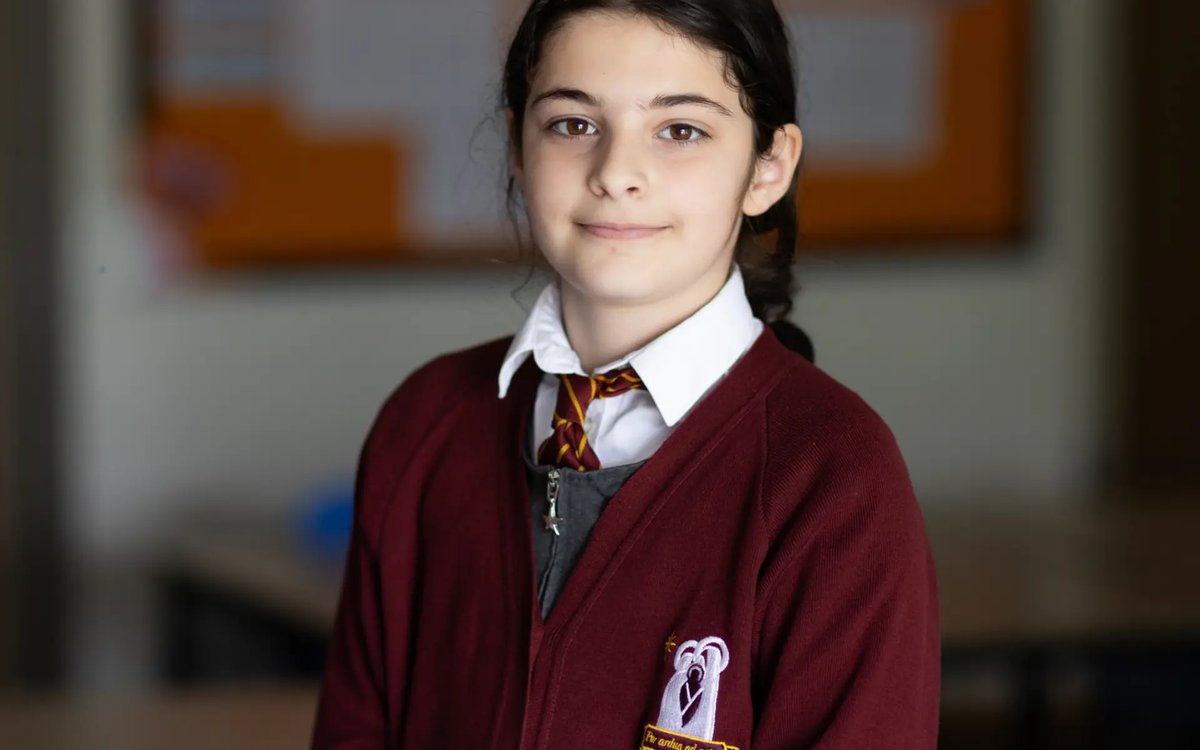
Change in children's digital lives usually comes from the top down: new rules, new bans, new guidance. At Holy Family Catholic Primary School in Ealing, west London, it started with one Year 6 pupil.
Sophie Janashia became the school's first Online Safety Ambassador. What began as her idea grew into a whole-school programme, and it was covered by The Guardian.
It started with one idea
Sophie built her work around two themes she believed every child needs to master:
- Controlling screens: using technology on purpose, not by default.
- Staying safe online: spotting risks like cyberbullying and stranger contact early, and knowing what to do.
Screen Free Monday
On the first Monday of every month, the whole school switches off: no interactive whiteboards, no Chromebooks and no devices at home. Lessons happen through discussion, creativity and hands-on activities, and families are invited to join in.
Sophie expected some scepticism. What she didn't expect was how quickly the community would embrace it. Children picked up forgotten books. Siblings built dens and played board games. Families cooked together and talked around the dinner table.
"I like No Screens Monday because my brain doesn't get muddled up. I feel clearer and calmer the next day at school."
— Pupil, Holy Family
Parents wrote to the school with stories of game nights, baking, piano practice and Uno until bedtime. One parent said their son was "engaged, happy and, for once, not asking for the TV remote."
"I thoroughly enjoyed teaching without a screen for the entire day, and then going home to wrestle my son and play some Irish music on my accordion. Screen Free Monday has made me want to genuinely reduce screen time in my own home."
— Thomas Doherty, Headteacher
One pupil, a whole school
With the headteacher's backing, Sophie formed a Year 6 leadership team to run online safety assemblies for every age group, from "who not to talk to online" in Reception to cyberbullying scenarios in Year 6. The messages landed because children spoke each year's language.
Their six principles for a safer digital life:
- Think carefully before you share anything online.
- Always be kind: words online have real impact.
- Talk to a trusted adult if something worries you.
- Only communicate with people you know in real life.
- Take regular breaks from screens every day.
- If something feels wrong or weird online, it probably is.
From children to the whole community
- Sophie's Surgery: a confidential lunchtime drop-in where pupils share online worries with the ambassador team.
- The Vision Wall: at the Christmas Fair, pupils wrote what a safe online world would look like to them.
- Parent workshop: as families asked for support, the school held its first Online Safety Parent Workshop, led by Young Minds App.
Holy Family pupils later met the Minister for AI and Online Safety to share evidence of their child-led approach.
Why it matters
This wasn't imposed. Children learned they can shape their own digital future, and that speaking up is both possible and powerful. That is the difference between protecting children and preparing them.
Supported by Young Minds App. We're proud to have supported Sophie and Holy Family. We want to see this change in every school: children leading, parents supported, and families finding balance with screens together. If your school would like to start its own Screen Free Monday, get in touch.
Sources
- The Guardian: London school's screen-free Mondays for pupils, teachers and parents
- Holy Family Catholic Primary School case study: Children Leading Real Change